-
The AI Paradox and the TCK Strategy: Navigating a Seniority-Biased Labor Market연구소 2026. 3. 1. 20:05
1. The Paradox of Technology: AI Replaces Rookies but Partners with Experts
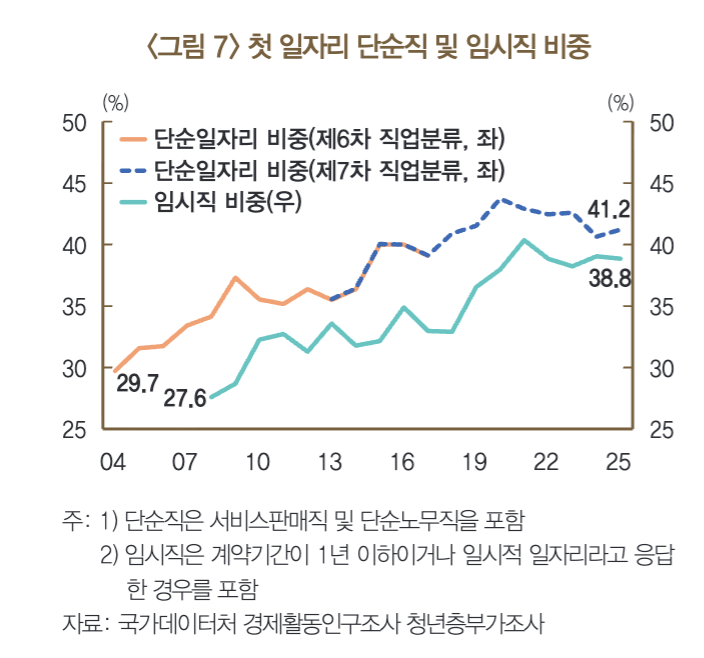
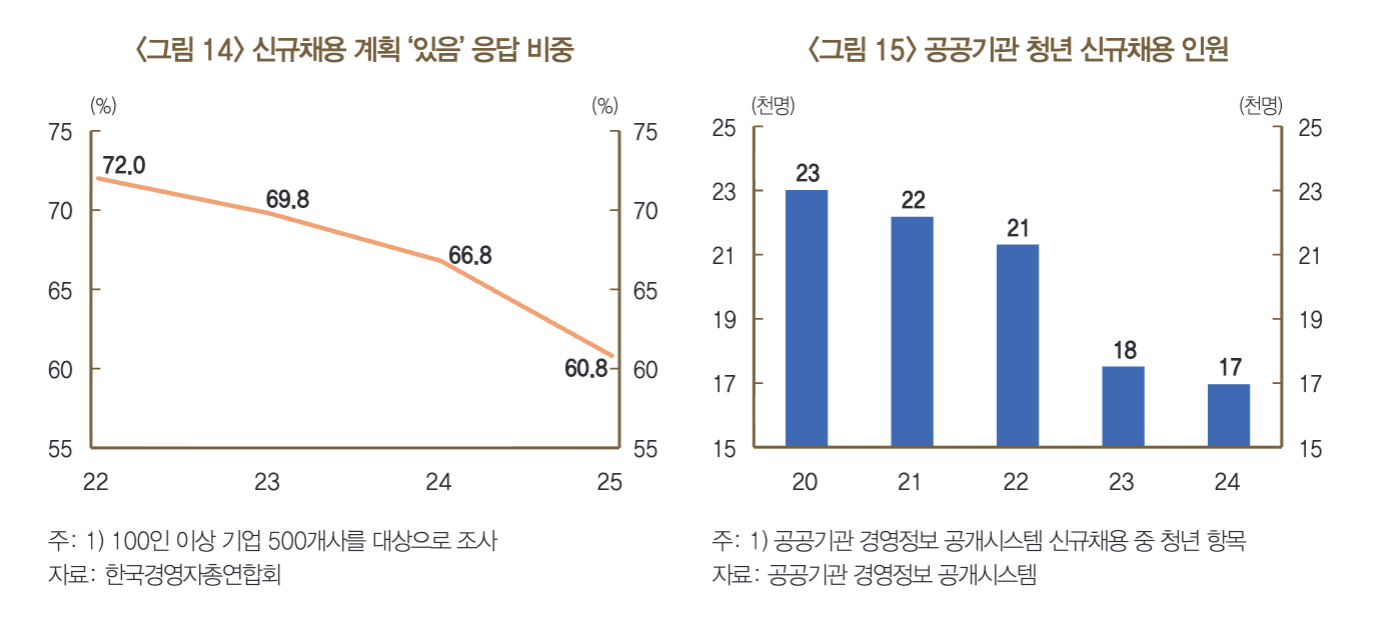
According to a recent report by the Bank of Korea, Artificial Intelligence (AI) is reshaping the labor market into a "seniority-biased" structure. AI can replace standardized tasks—such as data organization and document drafting, typically performed by entry-level employees—at lightning speed. Conversely, it forms a complementary relationship with "tacit knowledge," the experiential wisdom acquired over long years in the field, further enhancing its value.
At this juncture, TCKs (Third Culture Kids), who have internalized complex cultural contexts, stand at a distinct advantage over those raised in a monocultural environment. Their ability to mediate conflicts at cultural boundaries and discern subtle nuances is a unique form of tacit knowledge that AI simply cannot replicate.
- What is "Seniority-Biased" Change?
While new technology is often thought to favor the younger generation, current AI trends suggest the opposite. As AI takes over the "entry-level tasks" through which juniors used to learn the ropes, those entry-level positions are vanishing. Instead, the value and bargaining power of senior professionals with long-standing field experience and intuition are being reinforced.
출처. 한국은행 Bok 이슈노트. 2026.02. 2. The Invisible Barrier: Stifling Potential
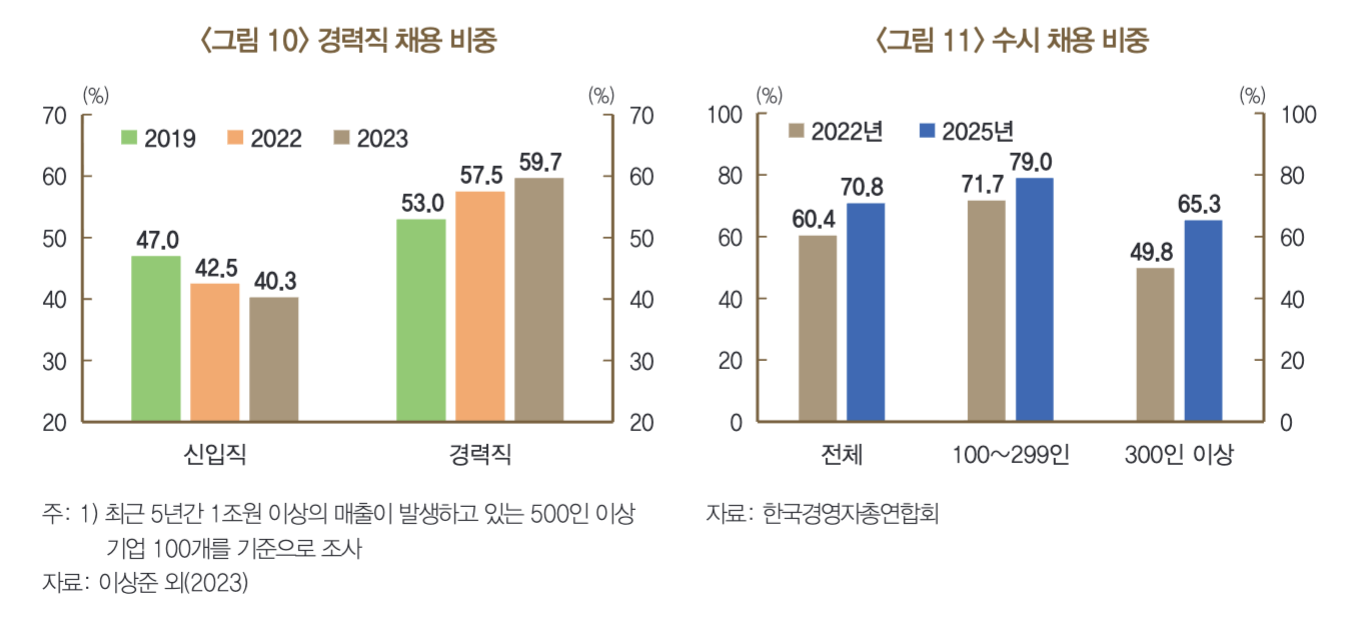
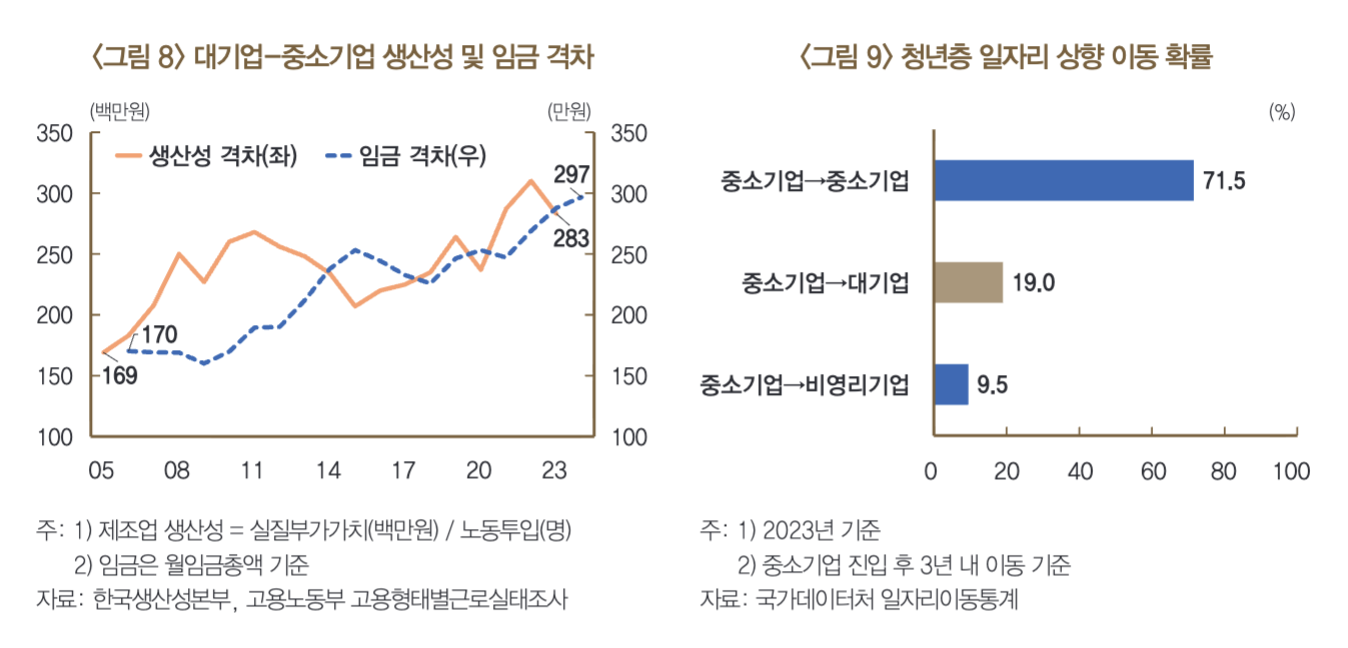
However, the reality of the labor market is not so hospitable. The biggest hurdle lies in the lack of an objective system to verify a TCK’s fluid intelligence and cultural sensitivity during the entry-level hiring stage. In an uncertain business climate, companies prefer experienced hires who can contribute immediately over rookies who require training. Consequently, TCKs with immense potential face the risk of prolonged unemployment. This goes beyond a simple delay in starting a career; it leads to the "Scarring Effect," a critical disadvantage that undermines lifelong income and job security.
3. A Qualitative Shift: From Credentials to "Work Experience"
The strategy for TCKs to secure their footing now requires a total qualitative shift. They must move away from the stagnant "spec-building" (GPA-focused) and learning-oriented approaches of previous generations. Corporate internships are becoming a baseline in universities, and some middle and high schools are even introducing programs where students gain field experience during vacations instead of just attending prep schools.
Therefore, students must step away from their desks and accumulate their own work experience (Il-gyeong-heom) in the field or craft a narrative that serves as the foundation for their target role. They must prove their potential through a continuous series of tangible outputs that the market can validate. Such practical activities serve not only to build professional experience but also as a vital gateway to expanding the social networks that will support their long-term careers.
4. Strategic Recommendation: Getting Inside the Network
Lowering the barriers to entry into a new professional world requires a more proactive and strategic stance. This involves mobilizing all available social resources—including the networks of parents and acquaintances—to create practical touchpoints for the child. While such activities were once taboo in Korean society as a form of "special privilege," we must consider how crucial parental guidance is for a child navigating these turbulent times in the AI era. Within legal boundaries, parents must actively find ways for their children to accumulate experience.
In this process, the child’s attitude must be one of consistency in career exploration. Even if a career path isn’t decided immediately, the process of experiencing and exploring society is a core part of that decision. Children must recognize this so they can weave these experiences into their own career narrative. To this end, I highly recommend securing certified records or verifiable activity materials that can prove the "sincerity of exploration," even if they aren't directly linked to a specific job.
Conclusion: Documenting the Trajectory of Exploration
When passing through the narrow gate of an experience-centered market, companies look not at your degree, but at your career exploration narrative and the verified records that back it up. A consistent trajectory of exploration starting from middle and high school, combined with tacit knowledge proven in the field, will be the most powerful "master key" for TCKs in the age of AI.
- In the next post, we will discuss how TCKs can narrativize their growth experiences and engage in career exploration.
- This post was translated from a Korean blog using Gemini.
##References (Korean)
- Bank of Korea (2026.01.19), "Evaluation of the Life-long Impact of Delayed Labor Market Entry and Housing Cost Burden for the Youth Generation," BOK Issue Note No. 2026-2.
- Han, Jin-soo & Oh, Sam-il (2025), "AI Proliferation and the Contraction of Youth Employment: Focusing on Seniority-Biased Technological Change," BOK Issue Note No. 2025-30.
- G-Economy (2026.02.01), "The Decline in Value of College Graduates and the Rise of Technical Jobs in the U.S. Labor Market".
- Hosseini, S. M., and G. Lichtinger (2025), "Generative AI as Seniority-Biased Technological Change".
'연구소' 카테고리의 다른 글
AI 시대, 공부보다 탐구의 즐거움을 함께 찾아가요. (1) 2026.04.10 AI 시대의 역설, TCK의 경험을 어떻게 시장의 언어로 번역할 것인가? (0) 2026.02.26 자녀의 스마트폰 사용, "얼마나"보다 "어떻게"가 더 중요합니다 (0) 2025.06.20 리뷰] 귀국 성인의 직장생활 적응과정 (3) 2025.06.14 리뷰] 귀국 대학생의 내러티브 정체성 형성 (3) 2025.06.10 - What is "Seniority-Biased" Change?